
 Facebook
 X
X
 Pinterest
 Copy Link
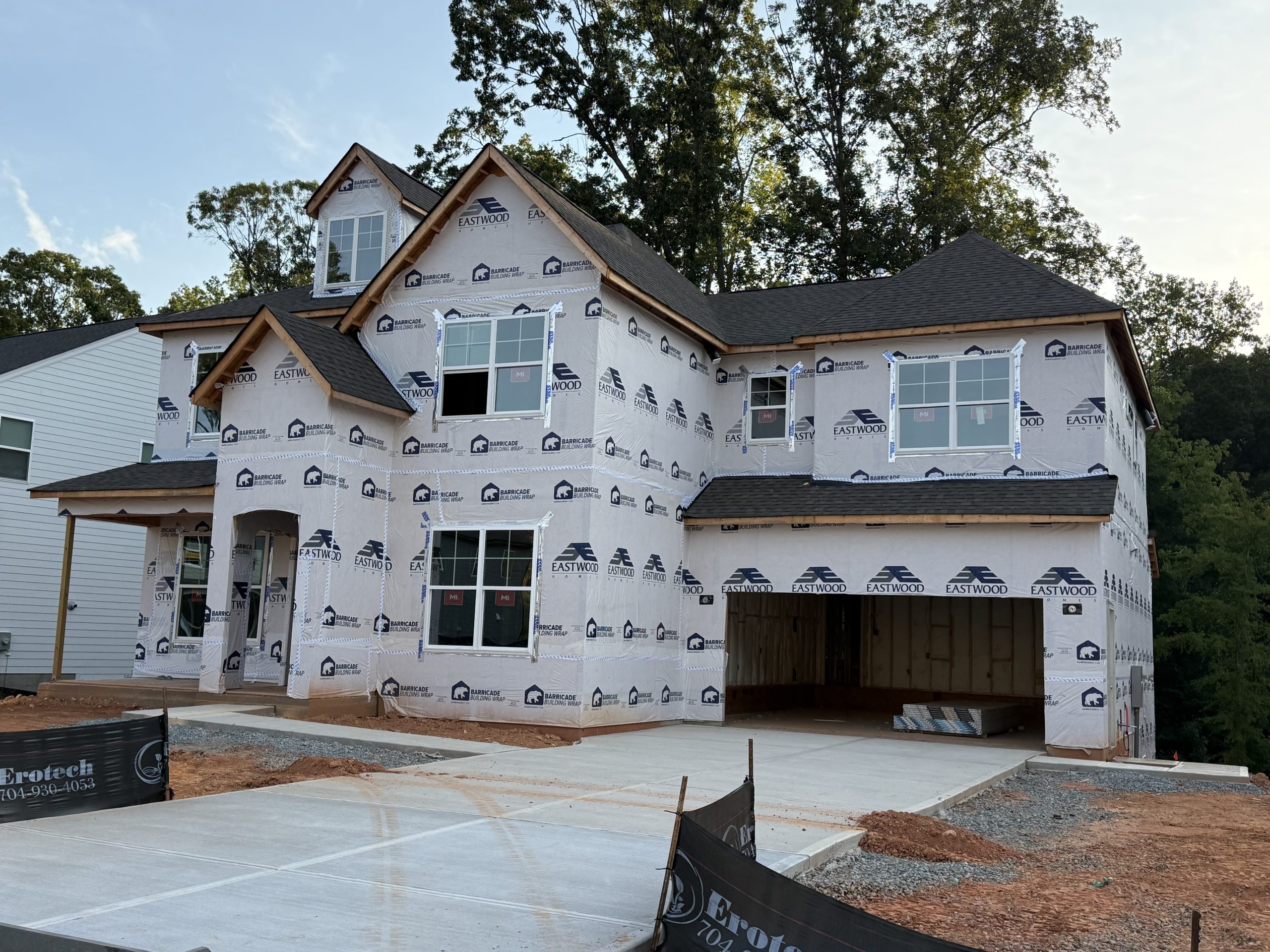
New construction can be an attractive option for buyers considering a move to Waxhaw, NC. Newer floor plans, modern finishes, builder warranties, energy-efficient features, and the ability to choose certain upgrades can all be appealing. But buying a newly built home is still a major real estate transaction, and there are several things buyers should understand before walking into a model home or signing a builder contract.
One of the most important is also one of the most commonly misunderstood: the sales representative working in the model home represents the builder. Their job is to help the builder sell homes and protect the builder’s interests during the transaction. They are not automatically representing the buyer.
The Model Home Representative Works for the Builder
Builder sales representatives can be extremely helpful. They know the available floor plans, lots, construction schedules, upgrades, incentives, and community details. But buyers should understand who that representative works for.
The builder’s representative is there on behalf of the builder. Having your own real estate agent gives you someone focused on helping you evaluate the transaction from the buyer’s perspective. That can include comparing communities, understanding contract terms, reviewing incentives, considering lot selection, evaluating upgrade costs, and helping you think through whether a particular home makes sense for your goals.
It is often best to involve your own real estate agent before your first visit to a model home. Some builders have specific procedures regarding buyer-agent representation, so waiting until later in the process can create unnecessary complications.
Builder Contracts Are Different From Typical Resale Contracts
A new-construction purchase is not always handled the same way as purchasing an existing home.
Builders commonly use their own contracts, and those documents may contain different provisions related to deposits, construction delays, inspections, financing, closing dates, warranties, upgrades, and what happens if circumstances change during construction.
Buyers should take the time to understand what they are agreeing to rather than assuming the process is the same as purchasing a resale home.
This is one area where Marina’s focus on contracts and negotiation can be especially helpful. Price is only one part of a real estate transaction. Terms, timelines, deposits, incentives, and other details can also have a significant impact on the buyer.
Builder Incentives Deserve a Closer Look
Builders may offer incentives such as closing-cost assistance, interest-rate programs, upgrade allowances, or other promotions. These can be valuable, but buyers should understand the details before deciding how much an incentive is actually worth.
Some incentives may require the buyer to use the builder’s preferred lender or closing provider. Others may apply only to certain homes, completion dates, or financing programs.
The goal should not simply be to ask, “How much is the builder giving me?” A better question is, “What does the entire transaction look like when I compare price, financing, incentives, upgrades, and long-term value?”
Lot Selection Can Matter More Than Buyers Expect
When buyers choose a floor plan, it is easy to focus primarily on the house. The lot deserves just as much attention.
Consider factors such as slope, drainage, privacy, orientation, neighboring properties, road location, trees, usable yard space, and what may eventually be built around the property.
A premium lot may cost more, but that does not automatically mean it is the best lot for every buyer. Conversely, choosing a lot solely because it has the lowest premium may not be the best long-term decision.
The relationship between the home and the land around it can have a significant effect on how the property feels once construction is complete.
Upgrades Can Add Up Quickly
Model homes are designed to show buyers what is possible, and many contain upgrades that are not included in the base price.
Flooring, cabinets, countertops, lighting, appliances, trim packages, bathroom finishes, structural options, outdoor living features, and other upgrades can substantially increase the final purchase price.
Before making selections, it can help to separate upgrades into three categories: features that are difficult or expensive to add later, features that may improve everyday enjoyment, and features that may be easy to change after closing.
Not every builder upgrade provides the same value, and buyers should avoid assuming that every dollar spent at the design center will translate directly into additional resale value.
New Construction Should Still Be Inspected
A newly built home is new, but that does not mean it is automatically free of defects.
Construction involves many different trades, materials, systems, and stages of work. Even with quality builders and municipal inspections, issues can still occur.
Independent inspections can provide another layer of evaluation during the construction process. Depending on the home and construction schedule, buyers may consider inspections at different stages, such as before drywall installation and again near completion.
Matt’s background as an actively licensed home inspector provides an additional practical perspective when helping buyers evaluate new-construction properties. That perspective does not replace an independent home inspection, but it can help buyers ask better questions and look beyond finishes when considering a property.
New Construction and Resale Homes Should Be Compared
New construction is not automatically the better option, and a resale home is not automatically the better value.
A new home may offer newer systems, warranties, modern layouts, and customization opportunities. An established resale home may offer mature landscaping, an established neighborhood, completed amenities, a larger homesite, or upgrades that have already been completed by a previous owner.
Buyers should compare the complete picture: purchase price, location, lot, HOA, upgrades, financing, expected maintenance, neighborhood development, and long-term plans.
In some cases, the best option may be new construction. In others, an existing home in an established Waxhaw neighborhood may make more sense.
Think Beyond the Model Home
Model homes are designed to create a strong first impression. They are professionally decorated, carefully staged, and often showcase some of the builder’s most attractive available options.
The better question is not simply, “Do I like this model?”
Ask yourself whether the specific floor plan, lot, community, monthly costs, location, upgrades, and contract terms make sense for you.
That is where having someone on your side can be particularly valuable.
Considering New Construction in Waxhaw?
Waxhaw continues to offer a variety of new-construction opportunities alongside established neighborhoods and resale homes.
Matt and Marina Wolfe help buyers compare new construction and resale options, evaluate communities and properties, understand contract considerations, and make informed decisions throughout the home-buying process.
If you are thinking about purchasing a new home in Waxhaw, it is often helpful to have that conversation before visiting the model home.
Contact Matt & Marina to talk about new-construction opportunities in Waxhaw, NC.


